
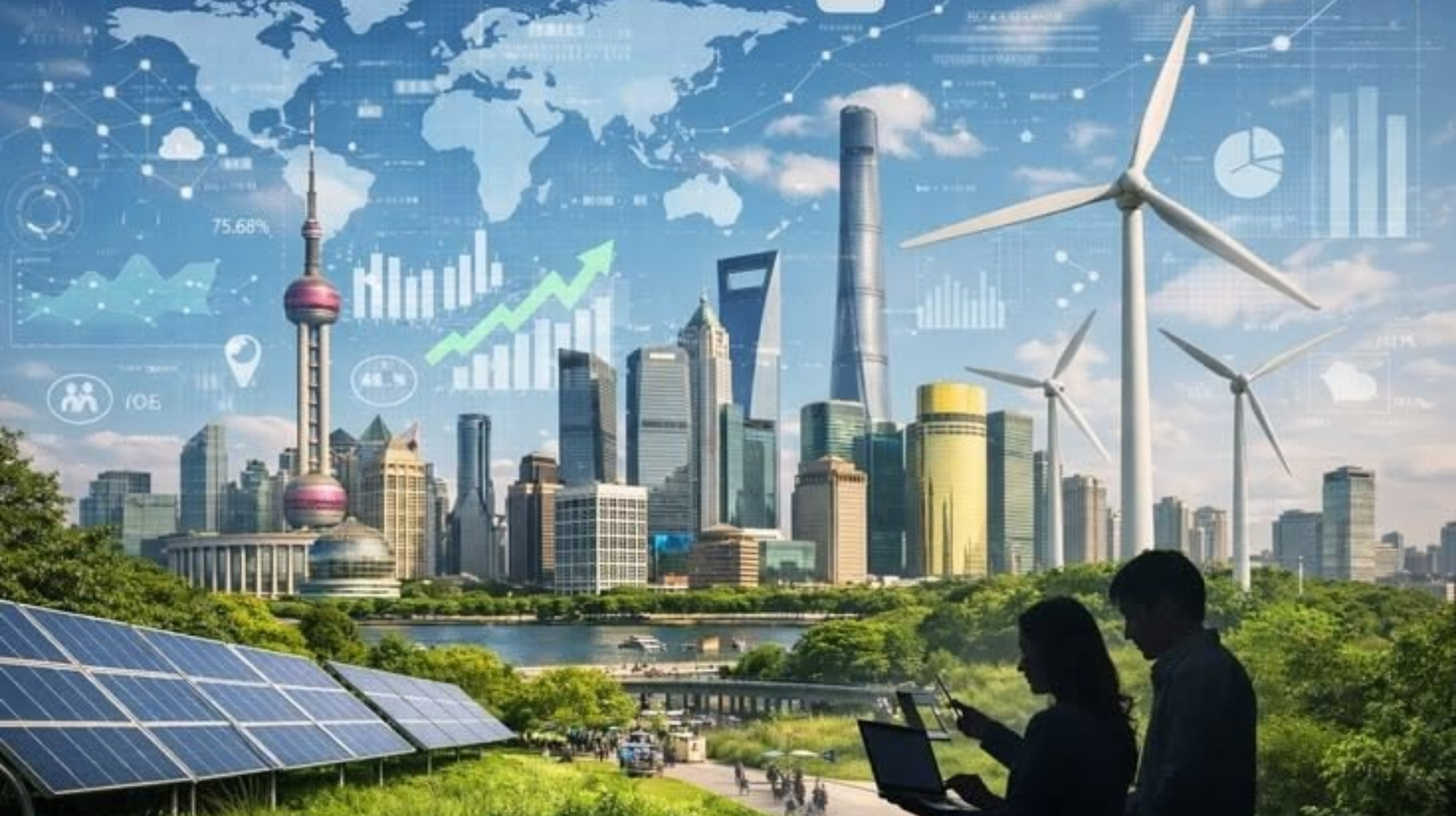
Businesses lose money when they cannot control energy consumption effectively. An energy management system UAE solution makes consumption visible. It identifies waste, improves efficiency, and controls unnecessary energy usage. This helps businesses reduce costs while improving daily operations.
Why Do UAE Businesses Need Better Energy Management?
UAE businesses operate under demanding energy conditions throughout each year. Hot weather increases cooling requirements across many commercial facilities. Inefficient equipment can increase electricity costs without immediate warning. Better monitoring helps businesses find these hidden energy losses.
Businesses also face increasing pressure to improve sustainability performance. The UAE continues investing heavily in energy efficiency programmes. Dubai targets major reductions through its Demand Side Management Strategy. These initiatives make efficient energy management increasingly important for businesses.
What Does an Energy Management System Actually Do?
An EMS collects energy information from connected systems continuously.Smart meters and sensors provide accurate consumption information throughout facilities. The system analyses this information and identifies unusual consumption patterns. Managers can then take action based on reliable data.
A modern EMS can monitor several building systems together. These systems can include HVAC, lighting, equipment, and electrical loads. Automation can also adjust selected systems according to operating conditions. This reduces manual monitoring and improves overall operational control.
Top Reasons to Invest in EMS Today
1. Reduce Unnecessary Energy Costs
EMS helps businesses identify areas consuming excessive amounts of energy. Managers can then adjust operations and reduce unnecessary consumption. This creates opportunities for measurable electricity cost reductions over time. Actual savings depend on building size and operating conditions.
2. Monitor Energy Consumption in Real Time
Real-time monitoring shows exactly where energy consumption occurs. Managers can identify unusual usage before costs increase significantly. Dashboards make complex energy information easier for teams. This supports faster and more confident operational decisions.
3. Improve HVAC Performance
HVAC systems can represent significant energy consumption within UAE buildings. EMS helps identify inefficient cooling patterns and operating schedules. Businesses can optimise temperatures without compromising occupant comfort. Better HVAC management can deliver valuable long-term energy savings.
4. Detect Hidden Energy Waste
Some energy losses remain invisible without detailed consumption information. EMS identifies unusual patterns across equipment and operating periods. This helps teams investigate problems before they become expensive. Businesses can therefore address waste using measurable evidence.
5. Improve Equipment Performance
Inefficient equipment can consume excessive energy during normal operations. EMS helps compare equipment performance using actual consumption data. This information supports better maintenance and replacement decisions. Businesses can prioritise improvements based on measurable energy performance.
6. Support Predictive Maintenance
Equipment often shows unusual energy patterns before complete failure. EMS can help identify these changes through consumption monitoring. Maintenance teams can investigate potential problems earlier than usual. This approach can reduce unexpected downtime and repair costs.
7. Manage Peak Energy Demand
Peak demand can significantly influence electricity costs for businesses. EMS helps identify when energy demand reaches higher levels. Businesses can then shift or optimise selected energy loads. This improves demand management while supporting operational efficiency.
8. Support Sustainability Objectives
Energy efficiency directly supports wider environmental improvement objectives. Lower consumption can reduce unnecessary carbon emissions from operations.
EMS provides measurable information about energy performance improvements. This makes sustainability progress easier to track and communicate.
9. Connect With Smart Building Technologies
EMS can integrate with BMS, IoT devices, and sensors. These connections create broader visibility across building operations. Businesses can combine monitoring with automated energy-saving actions. This creates a smarter approach to managing energy consumption.
10. Prepare For Future Energy Technologies
Energy management is becoming increasingly digital across modern facilities. AI and analytics can improve future energy optimisation capabilities. Solar systems can also integrate with intelligent energy management. Early investment helps businesses prepare for these emerging technologies.
How Does EMS Work Inside A UAE Facility?
EMS follows a simple cycle that turns data into action. First, connected devices collect energy consumption information continuously. Next, software analyses patterns and identifies potential inefficiencies. Finally, teams implement improvements and measure the resulting performance.
| EMS Stage | What Happens |
| Measure | Sensors and meters collect energy information |
| Monitor | Dashboards display current consumption patterns |
| Analyse | Software identifies waste and unusual behaviour |
| Optimise | Teams adjust systems and operating strategies |
| Verify | Results are measured against established targets |
| Improve | Businesses continue refining energy performance |
EMS, BMS, And IoT: What Is The Difference?
Businesses often confuse these technologies when planning energy improvements. Understanding their roles helps companies choose suitable solutions. Each technology provides different capabilities within modern smart facilities. Together, they can create stronger operational energy management.
| Technology | Primary Role |
| EMS | Monitors and optimises energy consumption |
| BMS | Controls building systems and equipment |
| IoT | Connects devices and collects operational information |
| Smart Meters | Measures electricity consumption accurately |
| AI Analytics | Finds patterns and predicts potential issues |
Where Can Businesses Use Energy Management Systems?
EMS can support many commercial and industrial environments. Different facilities can target different energy-saving opportunities effectively. Large energy users may have particularly strong optimisation potential. However, smaller facilities can also benefit from better visibility.
Common applications include:
- Commercial offices
- Hotels and resorts
- Hospitals and healthcare facilities
- Shopping centres
- Retail outlets
- Warehouses
- Manufacturing facilities
- Schools and universities
- Government buildings
- Industrial facilities
How Should Businesses Start Their EMS Journey?
Businesses should understand their current consumption before purchasing technology. An energy audit can identify major consumption sources first. Teams can then establish realistic performance and savings targets. Finally, businesses can select suitable monitoring and automation solutions.
A Practical Implementation Process
- Conduct an energy audit
- Identify major energy-consuming systems
- Install suitable meters and sensors
- Connect systems with the EMS platform
- Create energy performance benchmarks
- Set measurable energy-saving targets
- Optimise inefficient systems
- Monitor results continuously
- Measure achieved savings
- Improve performance continuously
Why Should Businesses Invest In EMS Today?
Businesses cannot improve energy performance without reliable consumption data. Waiting can allow inefficient systems to continue wasting energy. Modern EMS solutions provide visibility before problems become expensive. This makes energy management a strategic business investment today.
The UAE continues strengthening its long-term energy efficiency direction. Dubai’s Demand Side Management Strategy targets substantial efficiency improvements. The UAE Energy Strategy 2050 also supports improved energy efficiency. Businesses can align operational improvements with these broader national priorities.
Why Choose Advanced Integration Automation LLC?
Advanced Integration Automation LLC provides smart automation solutions across UAE facilities. Its expertise supports businesses seeking efficient building operations. The company can connect automation with energy management requirements. This creates opportunities for smarter and more efficient facilities.
Its capabilities can support areas including:
- Building Management Systems
- Energy management solutions
- HVAC automation
- Lighting control
- Smart building technologies
- Energy monitoring
- Office automation
- Industrial automation
- Integrated control systems
Make Your Energy Use Smarter Today
Uncontrolled energy consumption can increase costs and reduce efficiency. An EMS gives businesses better visibility and operational control. Advanced Integration Automation LLC can support your automation requirements. Contact Advanced Integration Automation LLC today for expert guidance.
Frequently Asked Questions
1. What is an Energy Management System in the UAE?
An EMS monitors and optimises energy consumption across business facilities.
It helps identify waste and improve operational energy efficiency.
2. Why should UAE businesses invest in EMS?
EMS helps businesses control costs and improve energy performance.
It also supports sustainability and long-term operational efficiency.
3. Can EMS reduce electricity consumption?
EMS identifies inefficient equipment and unnecessary consumption patterns.
Businesses can then implement targeted measures to reduce usage.
4. Can EMS control HVAC systems?
Yes, EMS can monitor and optimise HVAC system performance.
It can support better schedules, temperatures, and operating conditions.
5. Is EMS the same as BMS?
No, EMS focuses primarily on energy performance and optimisation.
BMS focuses more broadly on building system control.
6. Can EMS integrate with IoT devices?
Yes, modern EMS platforms can connect with IoT devices.
These connections provide detailed operational and consumption information.
7. Can EMS support solar energy systems?
Yes, EMS can support monitoring and optimisation of solar systems.
Integration can improve visibility across energy generation and consumption.
8. Which businesses need an EMS?
Commercial, industrial, retail, hospitality, and healthcare businesses can benefit.
Large facilities often have significant opportunities for energy optimisation.
9. How does EMS support sustainability?
EMS provides measurable information about energy consumption and improvements.
Businesses can use this information to track sustainability performance.
10. How can I implement EMS in my UAE business?
Start with an energy audit to understand current consumption patterns.
Then choose suitable monitoring, automation, and optimisation technologies.
Comments are closed.